
Profile:
Čelebonović Family
(Hover over images for sourcing information.)
Dr. Jakov Čelebonović (1868–1950, left) was a distinguished lawyer and president of the Sephardic Jewish community in Belgrade, Yugoslavia. His home functioned as an important cultural and social hub before the war. Jakov’s sons, Marko (1902–1986, middle) and Aleksa Čelebonović (1917–1987, right), also became significant cultural figures: Marko was an internationally active painter and Aleksa later became one of Yugoslavia’s leading art critics. The family was fully integrated into Serbian cultural life and representative of Belgrade’s educated Sephardic elite.
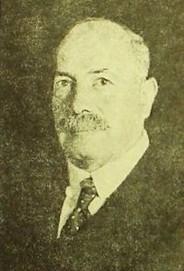
Source: https://www.myheritage.com/research/record-1-OYYV6QXNUZF37BFPU5ABD7XGHBER56I-1-500198/jakov-Čelebonović -in-myheritage-family-trees, accessed December 29, 2025.
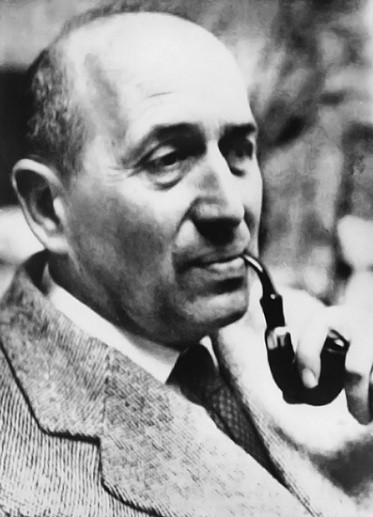
Source: https://upload.wikimedia.org/wikipedia/commons/f/f3/Marko_%C4%8Celebonovi%C4%87.jpg, accessed December 29, 2025.
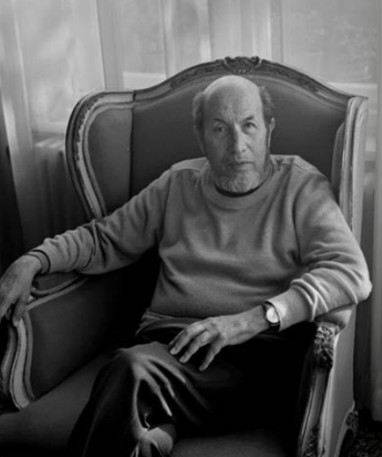
Source: https://zeptermuzej.rs/en/exhibition-aleksa-celebonovic-a-personality-of-many-talents/, accessed December 29, 2025.
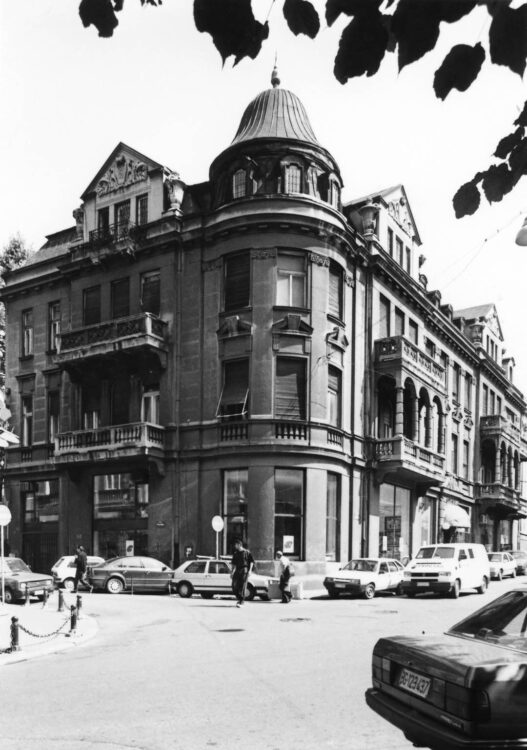
During the German occupation, their residence was confiscated and their cultural property extensively looted, reflecting the large-scale dispossession suffered by Serbian Jews. Very little is known about the fate of Jakov during the war, other than that he survived. Marko remained in France and served as a commander in the French Resistance, and Aleksa—born in wartime exile—lived in Italy and Switzerland through the war.
ERR Looting of the Čelebonović Paintings
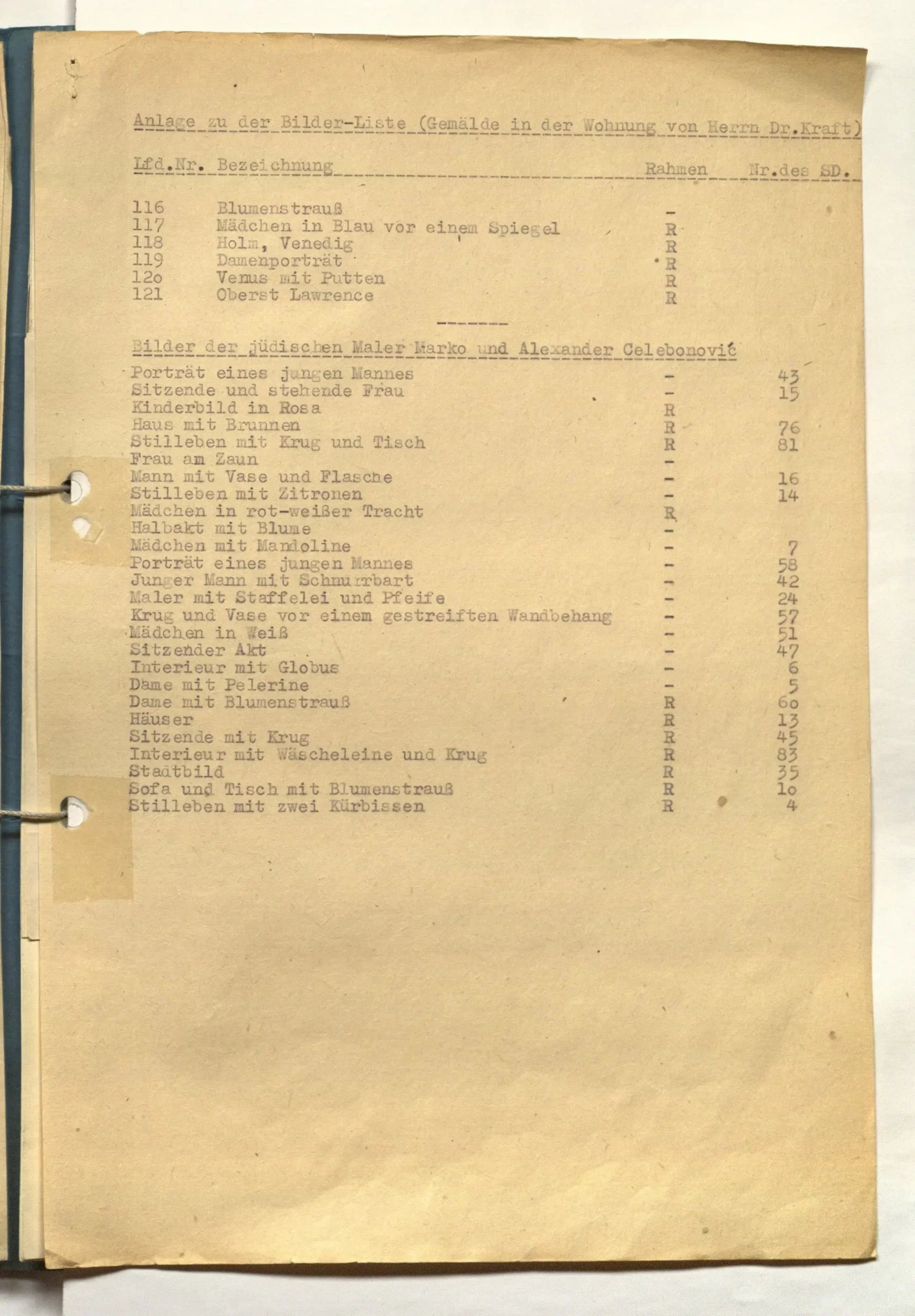
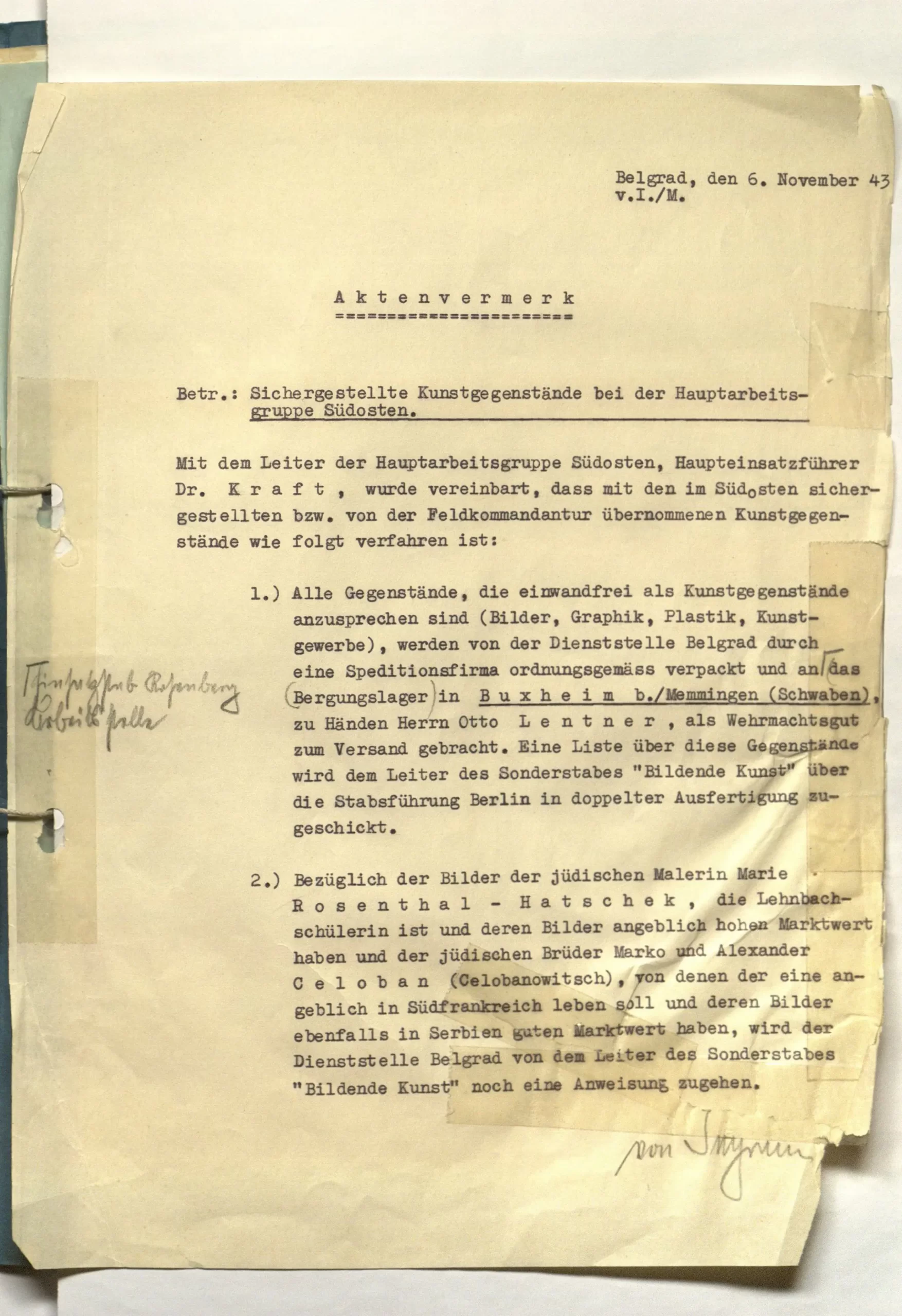
Marko Čelebonović was one of the most important Serbian painters of the 20th century, a career that started prior to the onset of the Holocaust in Serbia. His cultural contributions—his paintings—were thus a target of the Einsatzstab Reichsleiter Rosenberg (ERR) which operated in Belgrade (then the capital of the Kingdom of Yugoslavia) and targeted Jewish cultural property, including libraries, archives, and artworks. Between 1943 and 1944, the ERR systematically confiscated high-value artistic works, often after earlier seizures by other Nazi agencies. According to German archival records, at least 29 paintings by the “Jewish painters Marko and Alexander Čelebonović” were seized, underscoring that the ERR perceived these works to be artistically important. These confiscations form part of the broader, organized cultural plunder carried out by the ERR in occupied Serbia.
Postwar Restitution Attempts
After the war, some looted cultural objects from Germany were returned to Yugoslavia through Allied restitution transports, but these efforts were partial and incomplete. Jakov Čelebonović filed a restitution claim with the American Allies in 1948, listing numerous artworks taken from his home, including thirteen paintings by Marko Čelebonović. There is no clear evidence that the works he claimed were successfully matched with the works documented as having been seized by the ERR. Additional Yugoslav war damage claims focused mainly on real estate losses; most movable cultural property has never been restituted.


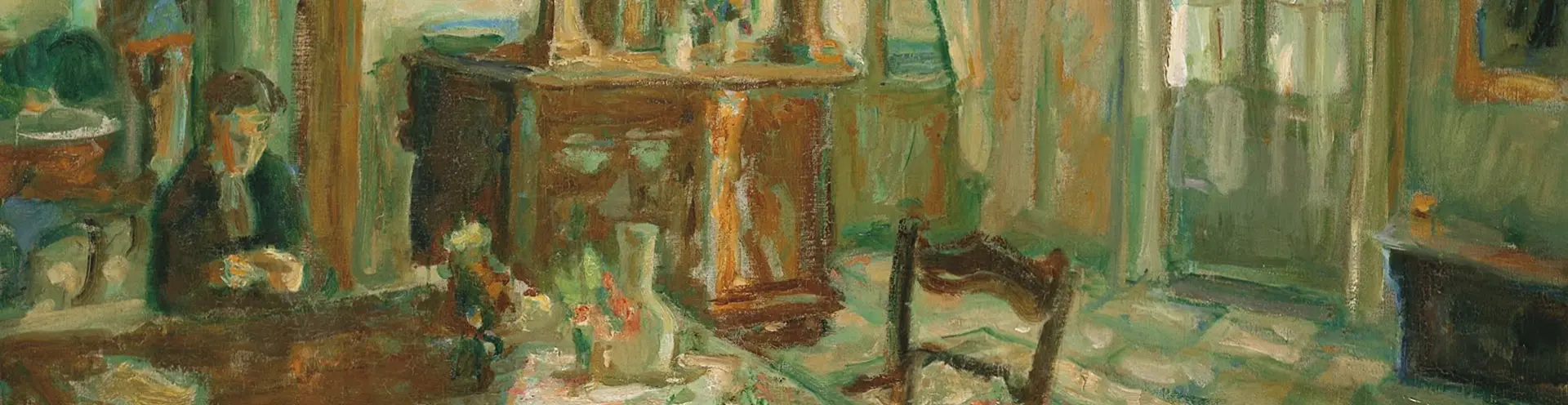
Interior by Marko Čelebonović
The vast majority of the Čelebonović family’s looted artworks have never been located and are now presumed lost. Of the paintings claimed by Jakov Čelebonović in 1948, only one work by Marko Čelebonović, Interior (1933), can be reliably traced today. This painting is held in the Pavle Beljanski Memorial Collection and entered public ownership through a private donation, not a formal restitution.
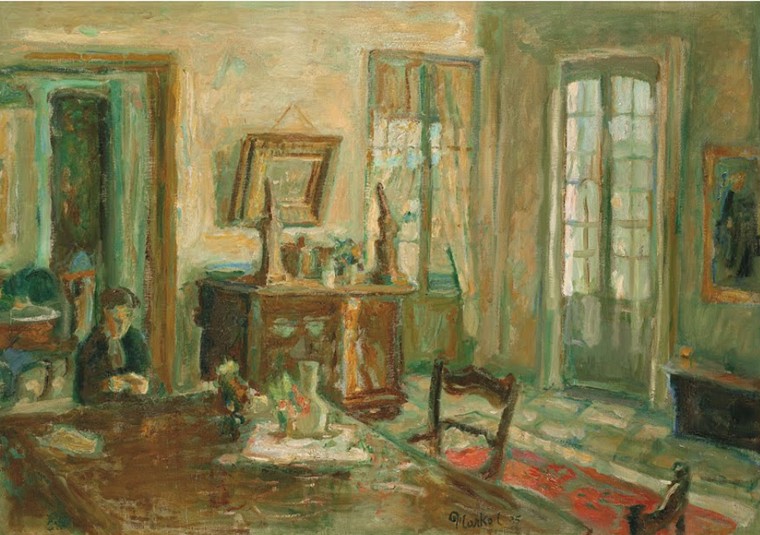
Source: https://artsandculture.google.com/asset/interior-marko-%C4%8Celebonovi%C4%87/AQEdEVmgULKUXw.
This biography is part of JDCRP’s series, “Profiles of European Jewish Art Collections and Collectors.” Additional biographies will be published regularly.
Access our other biographies here: