
Profile:
Jenő Vida
(Hover over images for sourcing information.)

Source: Országos Széchényi Könyvtár, Kézirattár.
Jenő Vida (1872–1945) was one of Hungary’s most influential Jewish industrialists and art collectors. His economic influence was matched by his extensive public service and charitable engagement, most notably as chairman of the Pest Jewish Community Orphanage, which he led through the political and economic crises following the First World War.
Vida’s prominence made him an early target after the German occupation of Hungary in March 1944. His home and extensive art collection were confiscated by the SS, with dozens of paintings packed and transported abroad.
While most of his family members survived the war in hiding, the seventy-two-year-old Jenő Vida was deported to Auschwitz, where he perished. The majority of his looted collection was never returned to his heirs.
Villa on Bérc Street
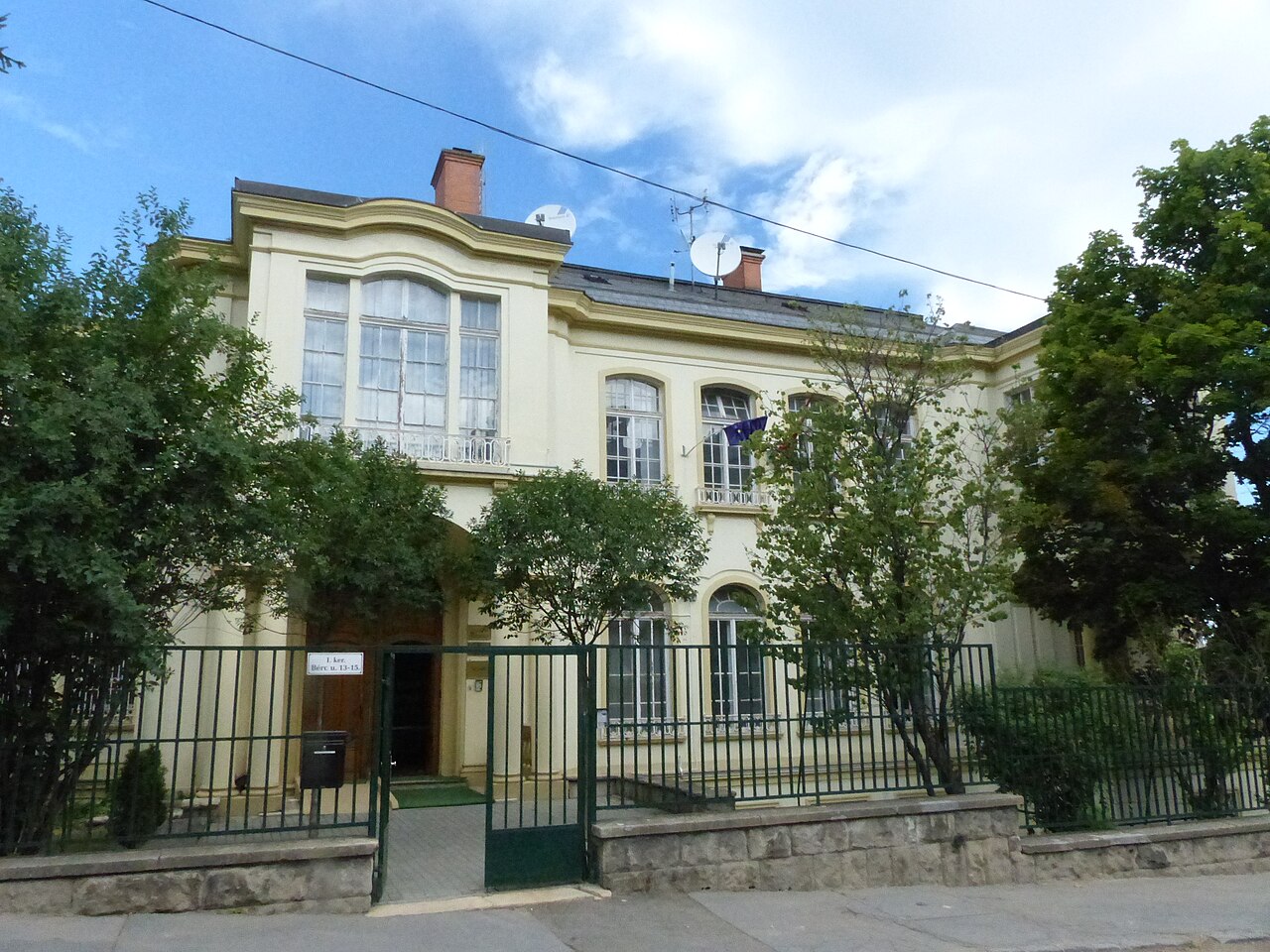
Source: Elekes Andor, Wikimedia Commons.
Jenő Vida’s Budapest villa at 13–15 Bérc Street housed an extensive collection of paintings by leading Hungarian masters, including Mihály Munkácsy, László Paál, László Mednyánszky, Pál Szinyei- Merse, and others, as well as valuable carpets and furniture. After the family’s forced removal, the house was requisitioned as SS headquarters under Otto Winkelmann; deportations were coordinated from the villa. By the end of the war in 1945, the villa was heavily damaged and stripped of its contents, including Vida’s art collection.
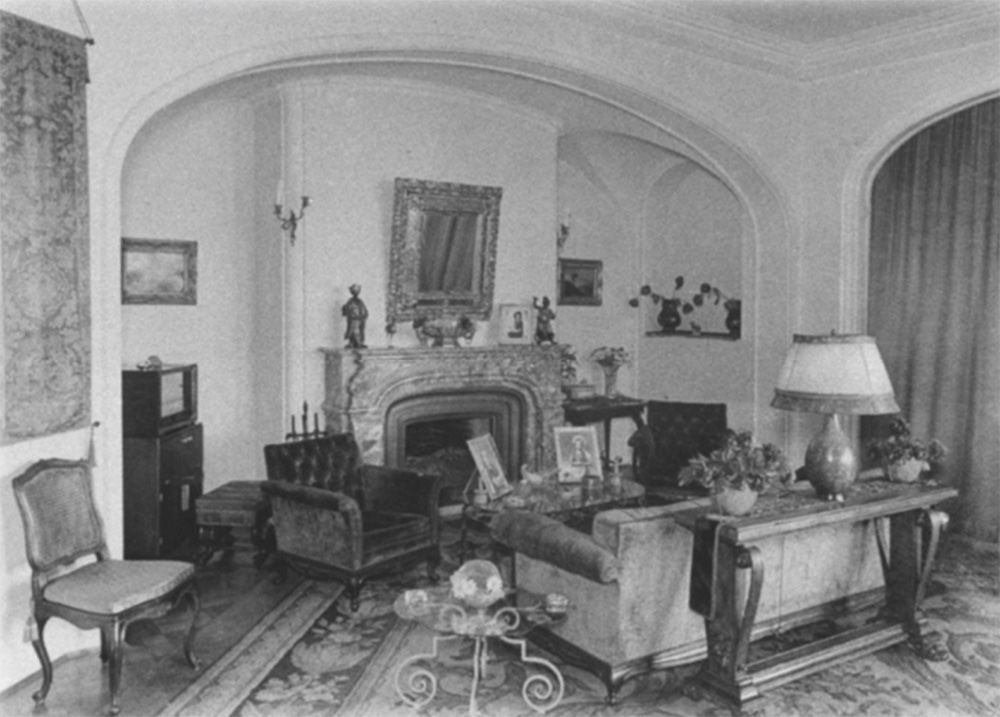
Source: LAB B Rep. 025 – 08 Nr. 2813/1959 1.
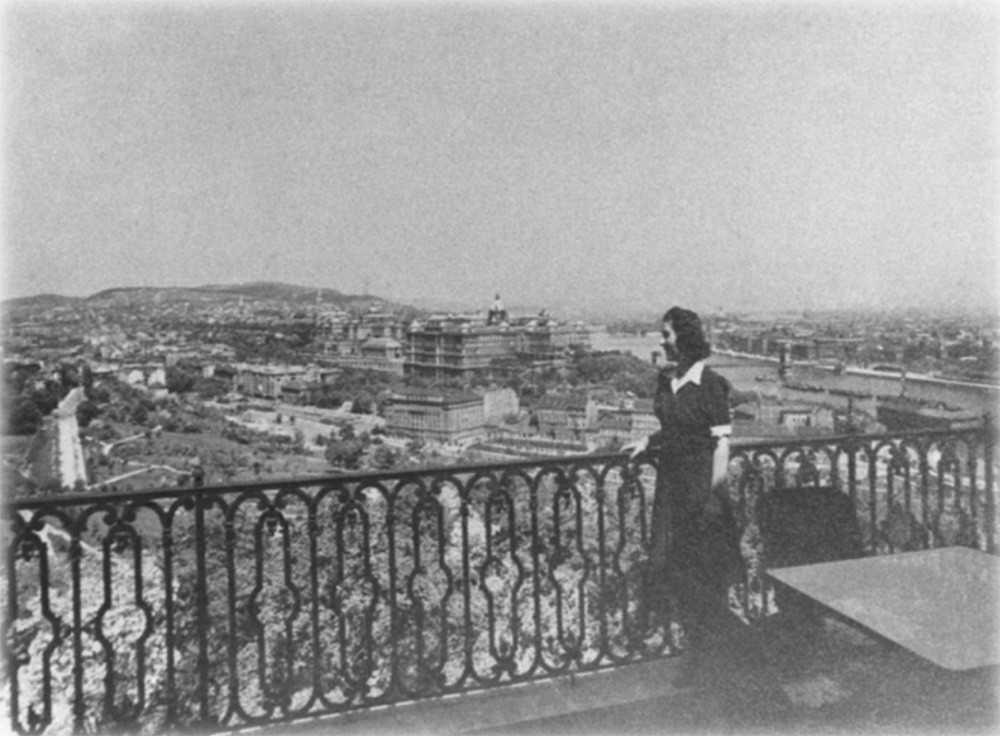
Source: LAB B Rep. 025 – 08 Nr. 2813/1959 2.
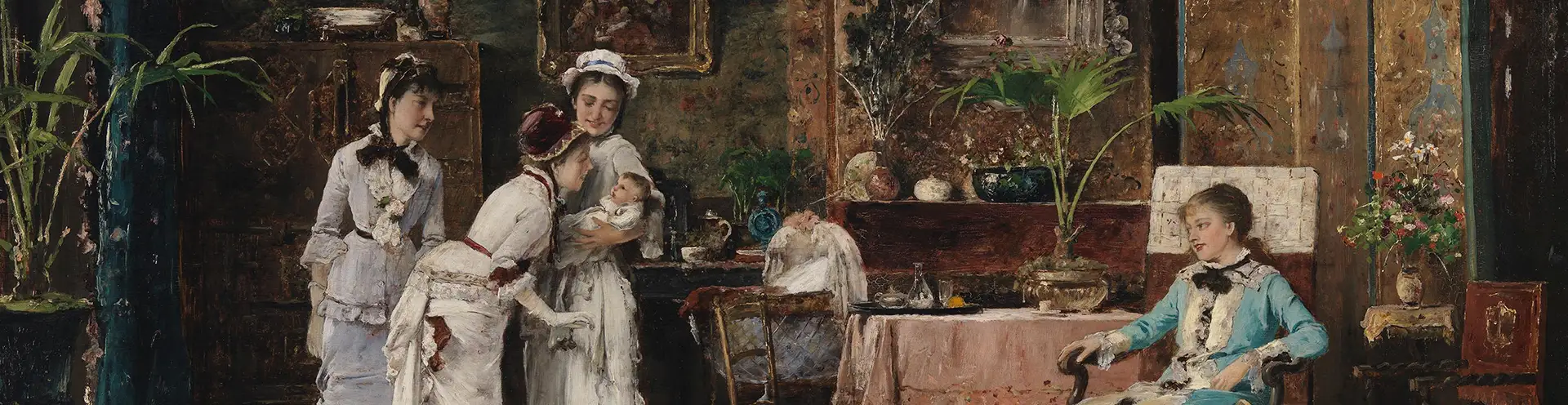
Visitors to the Baby, Mihály Munkácsy
Mihály Munkácsy’s painting Visitors to the Baby was among the most important works in Vida’s collection.
In February 1944, shortly before the German occupation, Vida lent the painting to a museum for a temporary Munkácsy exhibition. Although the painting survived the war and remained in Hungary, it was later reclassified as state property under postwar decrees. Decades later, in 2002, the painting was partially restituted to Vida’s heirs.
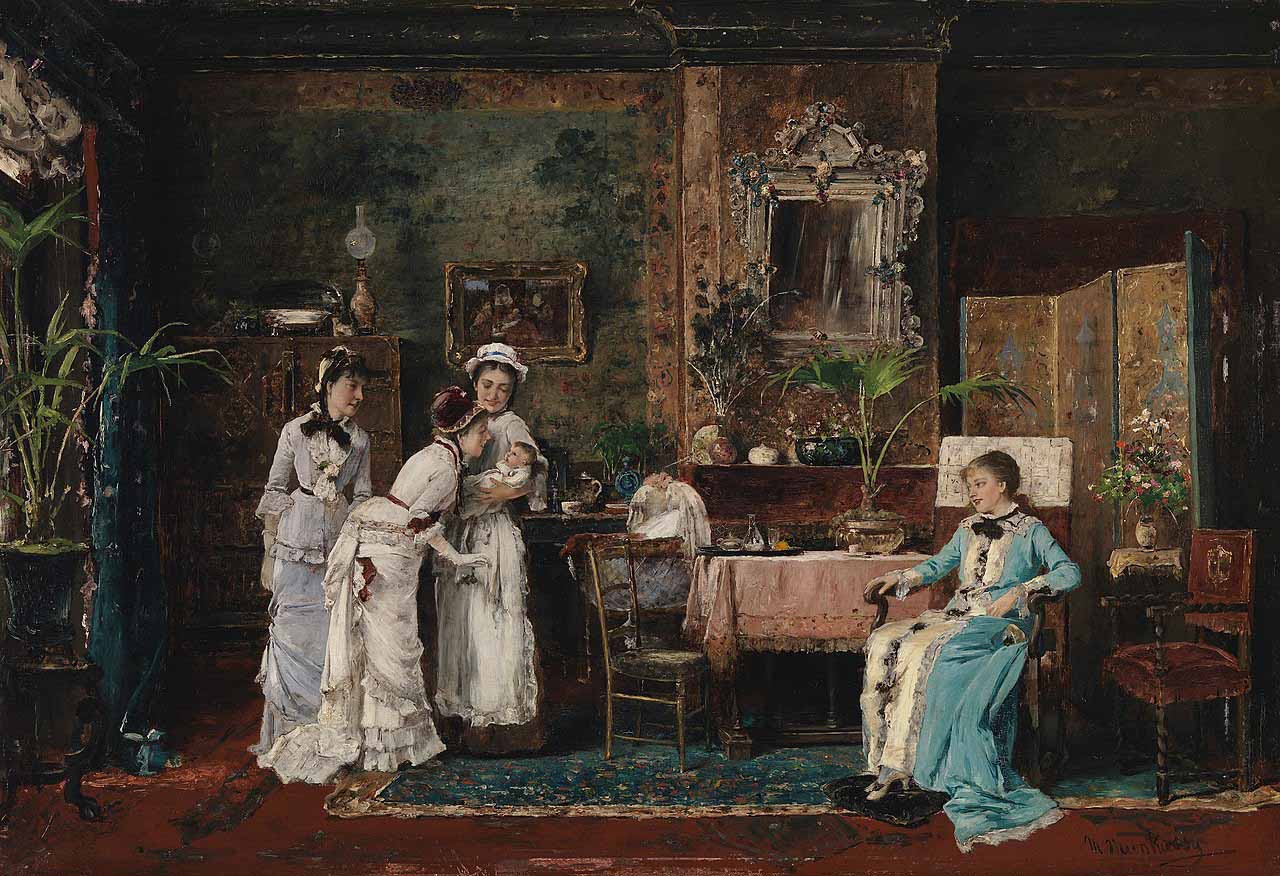
Source: Wikimedia Commons.
The Death of Mozart, Mihály Munkácsy
Munkácsy’s painting The Death of Mozart was looted from Vida’s Bérc Street villa and transported to Vienna. It was recovered through Allied restitution efforts after the war; however, despite clear identification indicating it had been part of Vida’s collection, the painting was absorbed into Hungary’s Museum of Fine Arts and later the Hungarian National Gallery. The museum display for The Death of Mozart makes no reference to Vida’s ownership or his subsequent death in Auschwitz.

Source: Wikimedia Commons.
This biography is part of JDCRP’s series, “Profiles of European Jewish Art Collections and Collectors.” Additional biographies will be published regularly.
Access our other biographies here: