
Profiles of European Jewish Art Collections and Collectors
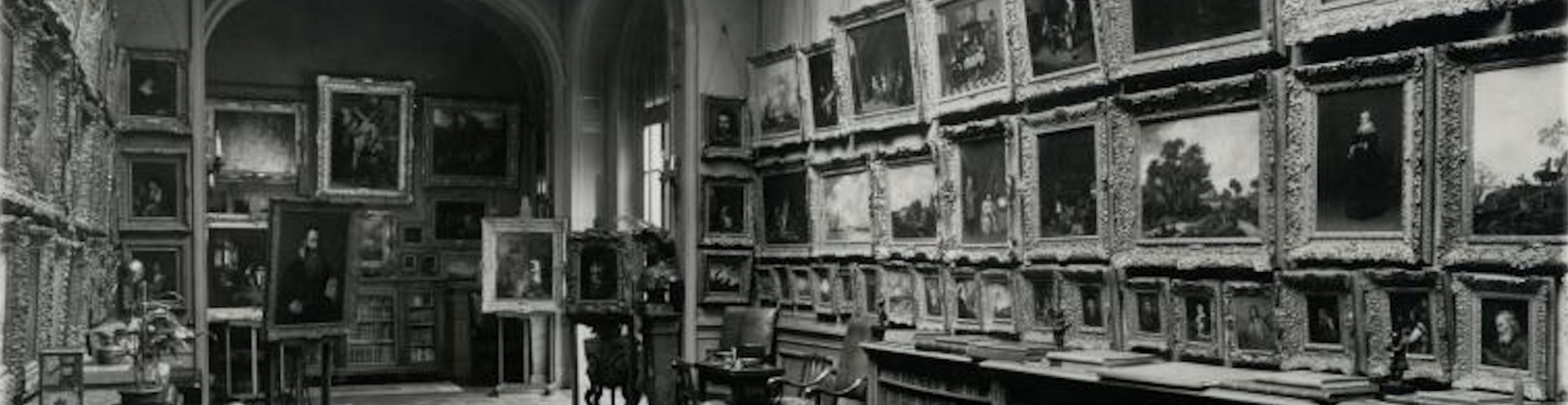
To learn more about the culture in the Jewish world that brought forth an abundance of collectors, the JDCRP launched a new project to highlight the fate of individual collections of art in Nazi-occupied countries that belonged to Jewish collectors. The project continues the digital humanities approach used successfully with the EU-funded JDCRP pilot project on the Adolphe Schloss collection, to promote greater in-depth understanding of the cultural milieu of the collector, the mechanisms of looting, and the postwar fate of the collection.
Freud Family

Source: Alexander and Sigmund Freud in Grinzing, 1937, Freud Museum. https://www.freud-museum.at/en/exhibitions-program/exhibition-details/articles/documents-of-injustice-the-case-of-freud
The Freud family occupied prominent positions in Austria’s intellectual, cultural, and economic life before 1938: Sigmund Freud (1856–1939) was the internationally renowned founder of psychoanalysis, his brother Alexander Freud (1866–1943) was a wealthy publisher and transport law expert, and their four sisters—Rosa, Maria, Pauline, and Adolfine—lived middle-class Viennese lives.
The scale of looting from the Freud family ranged from businesses, books, and art collections to household goods and religious objects.
Čelebonović Family
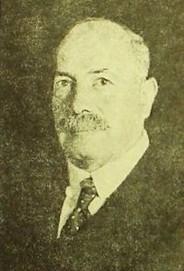
Source: https://www.myheritage.com/research/record-1-OYYV6QXNUZF37BFPU5ABD7XGHBER56I-1-500198/jakov-Čelebonović -in-myheritage-family-trees, accessed December 29, 2025.
Jakov Čelebonović (1868–1950) was a prominent lawyer and president of the Sephardic Jewish community in Belgrade, Yugoslavia. His home functioned as an important cultural and social hub before the war. Jakov’s sons, Marko (1902–1986) and Aleksa Čelebonović (1917–1987), also became significant cultural figures: Marko was an internationally active painter and Aleksa later became one of Yugoslavia’s leading art critics.
During the German occupation, their residence was confiscated and their cultural property extensively looted, reflecting the large-scale dispossession suffered by Serbian Jews.
Hermann Leopoldi

Source: https://www.buchenwald.de/en/geschichte/biografien/ltg-ausstellung/hermann-leopoldi, accessed December 29, 2025.
Hermann Leopoldi (1888–1959) was one of Vienna’s best-known interwar musical humorists, as well as a songwriter and performer whose ear for the Wienerlied (Viennese song) made him a household name.
Like many Jewish artists, he was excluded from Austria’s music economy through blacklisting and bureaucratic expropriation, while his personal belongings—including his Bösendorfer piano—were looted.
Jenő Vida

Source: Országos Széchényi Könyvtár, Kézirattár.
Jenő Vida (1872–1945) was one of Hungary’s most influential Jewish industrialists and art collectors.
Vida’s prominence made him an early target after the German occupation of Hungary in March 1944. His home and extensive art collection were confiscated by the SS, with dozens of paintings packed and transported abroad.
Additional profiles will be added to this page when they are available.
last updated January 2026